
If We Want to Grow Golf, We Have to Make Room for New Golfers
I started playing golf when I was eight years old, but not because my parents had some grand plan to introduce me to the game.
Honestly, it was mostly out of necessity.
My dad wanted to play golf, my mom didn't want to be responsible for both kids all day, and the easiest solution was to divide and conquer. One kid went with one parent, and I ended up at the golf course.
Nobody was thinking about “growing the game.”
But that's exactly what happened.
That simple decision created a golfer. Golf became part of my life, eventually my career, and now I spend my time introducing other people to the same game.
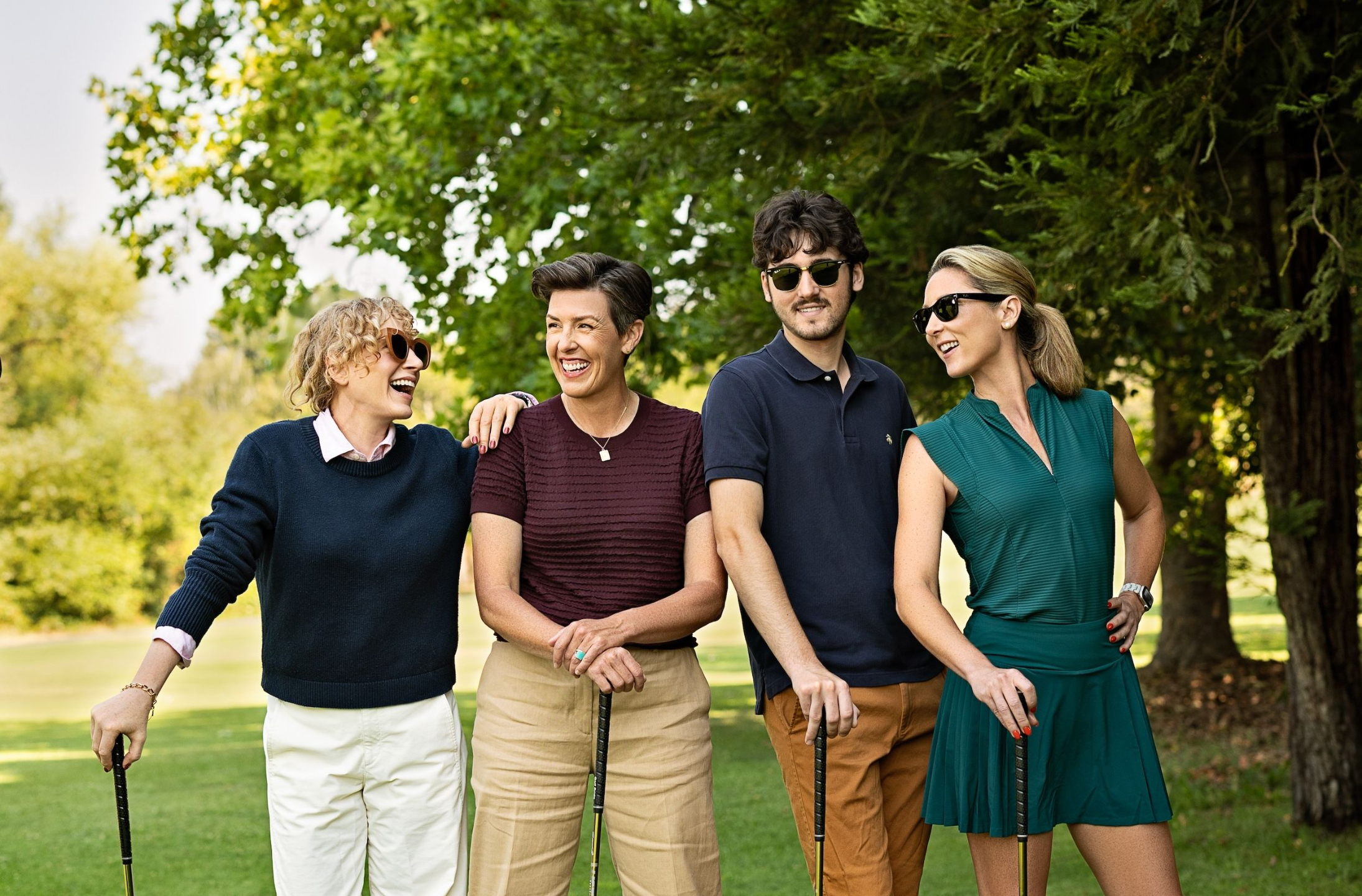
I've been thinking about that a lot lately because we talk constantly about growing golf. But if we actually want the game to continue growing, we have to think about what happens when new golfers show up.
And sometimes, golf isn't very good at welcoming them.
I've seen the look on a man's face when he realizes he's been paired with a woman. Before I've hit a single shot, there's an assumption that I'm going to be slow, hit it short or simply not be very good.
Kids can face a similar attitude. They're learning, so they might take longer. They might not understand every piece of etiquette yet. They might hit some terrible shots.
But how exactly do we expect to create lifelong golfers if we make people feel like they don't belong while they're learning?
There are more junior golf programs now than when I was a kid, and I think programs like U.S. Kids Golf and Operation 36 have gotten something incredibly important right: meet golfers where they are.
Operation 36 encourages players—kids and adults—to start closer to the hole and move farther away as their skills develop. Instead of throwing a beginner onto a full-length golf course and asking them to somehow figure it out, we're giving them an opportunity to learn how to make par, understand etiquette, develop their shots and actually enjoy playing.
I wish I had learned that way.
Because when I was a kid, I hated golf.
It was hard. Really hard. And when something feels impossible from the beginning, it's difficult to imagine wanting to come back and do it again.
Making golf approachable doesn't mean making it less challenging. It means giving people a chance to fall in love with it before asking them to conquer it.
And that's where I think community becomes just as important as instruction.
Growing the game isn't only about creating more junior programs or getting more people onto a golf course. It's about what happens when they arrive.
Do we roll our eyes when we're paired with a beginner?
Or do we remember that every golfer was a beginner once?
The eight-year-old tagging along with her dad today might become a lifelong golfer. The woman showing up alone might be playing her first round. The adult starting 50 yards from the green might eventually become the person who introduces their own kids to the game.
We don't know where someone's relationship with golf is going to lead.
I certainly didn't when I was eight.
So this week, I want to hear from you.
How did you find golf? Who made you feel like you belonged?
And if you've brought your child or grandchild to the course, what has that experience been like? Did the people around you welcome them into the game—or make you feel like you were in the way?
Because if we're serious about growing golf, getting people onto the course is only the first step.
We also have to give them a reason to come back.
– Amanda
Responses